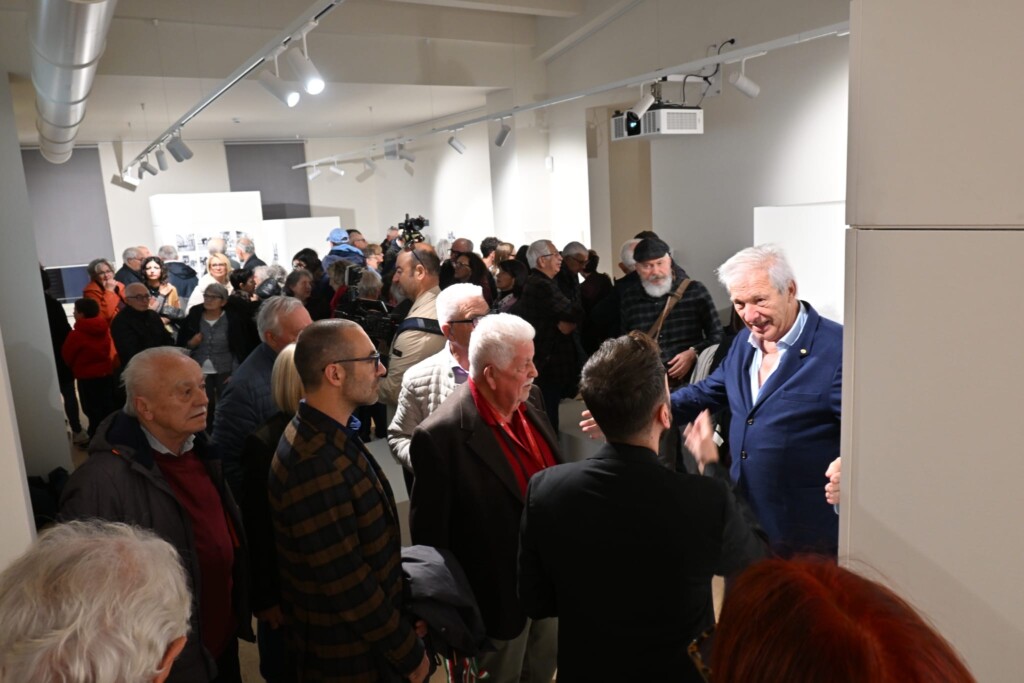
An exhibition has opened at the Cambio Cultural Centre and will remain open until 18 November (opening hours: Tuesday to Sunday, 10.00–13.00 and 16.00–19.00), featuring sixty previously unpublished photographs of the disaster of 4 November 1965.
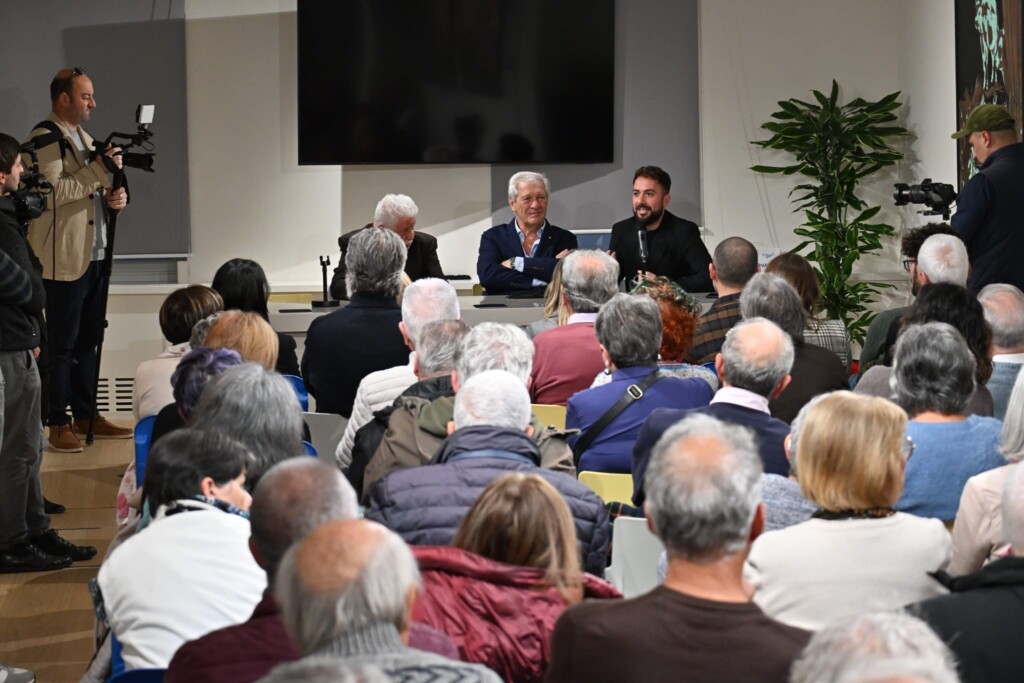
Four deaths and over five billion in damage: these are the figures for the tragedy and disaster caused by the flood of 4 November 1966 in Castelfiorentino, one of the worst-hit towns in the Empolese Valdelsa area. A heavy toll, destined to leave a lasting impression on the local population, who two days ago turned out in large numbers to mark the 60th anniversary celebrations, which began at the Cambio Cultural Centre and continued at the Ridotto del Teatro del Popolo. Among the events featured in the programme were the opening of a photographic exhibition at the Cambio Cultural Centre – featuring sixty previously unpublished photographs from Jaurès Baldeschi’s private archive – and the screening at the Ridotto of a film shot at the time by Jaurès Baldeschi using an 8mm camera. The film, restored specifically to mark this important anniversary, provides a striking account of all the main stages of the flood (from the early hours of the morning right up to the moment the River Elsa burst its banks) as well as the destructive effects on the housing stock and on the commercial, craft and industrial fabric of the area.
The exhibition will remain open at the Cambio Cultural Centre until 18 November (opening hours: Tuesday to Sunday, 10.00–13.00 and 16.00–19.00; free admission) and the documentary film will also be screened during these opening hours. The sixty photographs are the result of a careful selection from no fewer than 168 shots, which Jaures Baldeschi had taken whilst filming and kept in a drawer for decades, waiting to have them developed. Together with the film, the photographs provide the collective memory with an extraordinary record of one of the most tragic events to have occurred in this part of the Florentine Valdelsa over the last seventy years.
The initiatives marking the 60th anniversary of the Flood form part of a project presented by the Angelo Azzurro UICC Film Club (and its artistic director, Jaurès Baldeschi), funded by Banca di Cambiano 1884 Spa and Ente Cambiano Spa in collaboration with the Municipality of Castelfiorentino, the Fondazione Teatro del Popolo, the Centro Culturale Cambio and the Gruppo Fotografico Giglio Rosso, with support from the Ciapetti haberdashery and Unipol.
“On 4 November,” emphasises the Councillor for Culture, Franco Spina, “we inaugurated ‘𝟏𝟗𝟔𝟔-𝟐𝟎𝟐𝟔’ across the exhibition spaces of the Cambio Cultural Centre and the Ridotto at the Teatro Del Popolo Castelfiorentino. A major documentary exhibition, featuring recently restored, previously unseen archive material, an exhibition and a documentary film dedicated to remembrance, testimony and reflection. An event that brings together memory and art, running from today until 18 November, and which, 60 years on from that event, documents our history (which is the history of all humanity): an open wound, but also a testament to the great spirit of solidarity and resilience within our community. Preserving memory and keeping our cultural and human heritage alive means drawing a line of continuity between the past, present and future, and reminding ourselves, always, that we are courageously fragile but, above all, part of a community united in the physical and human construction of the city.”
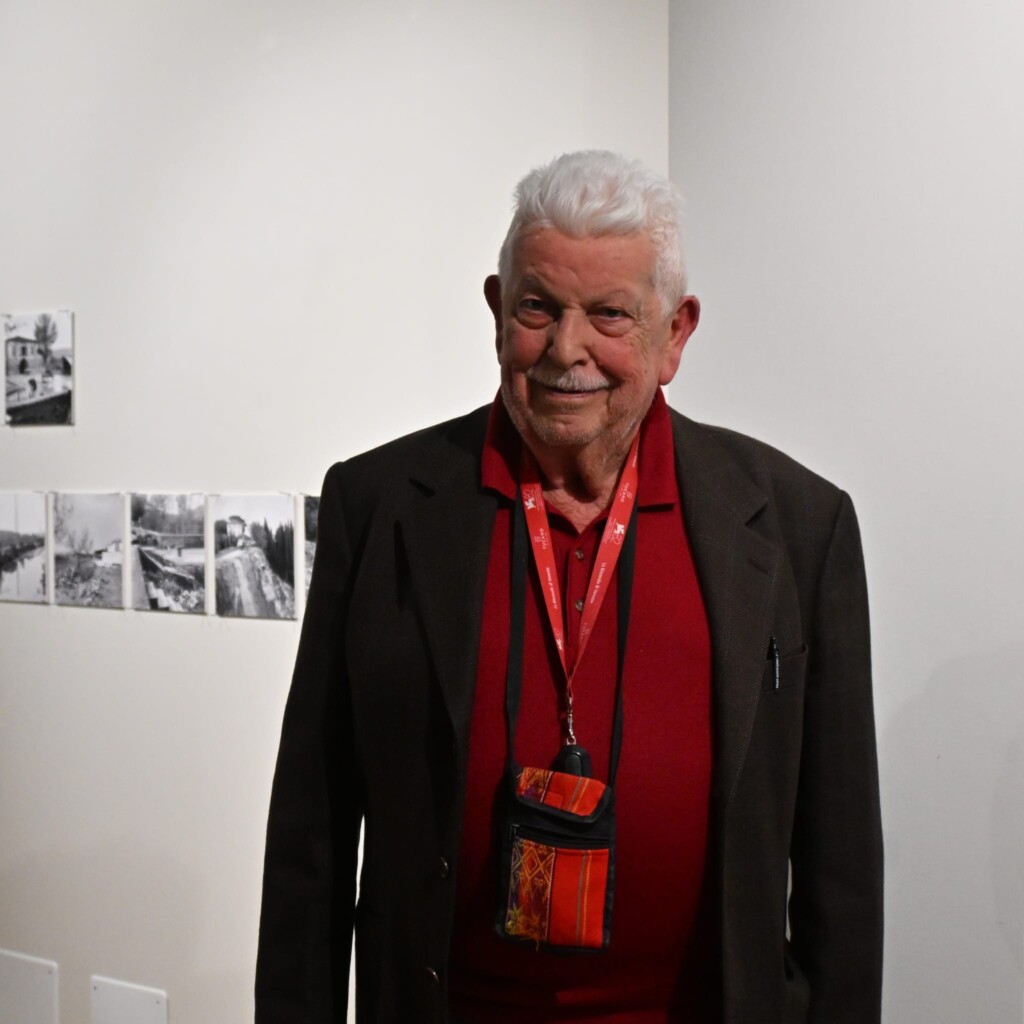
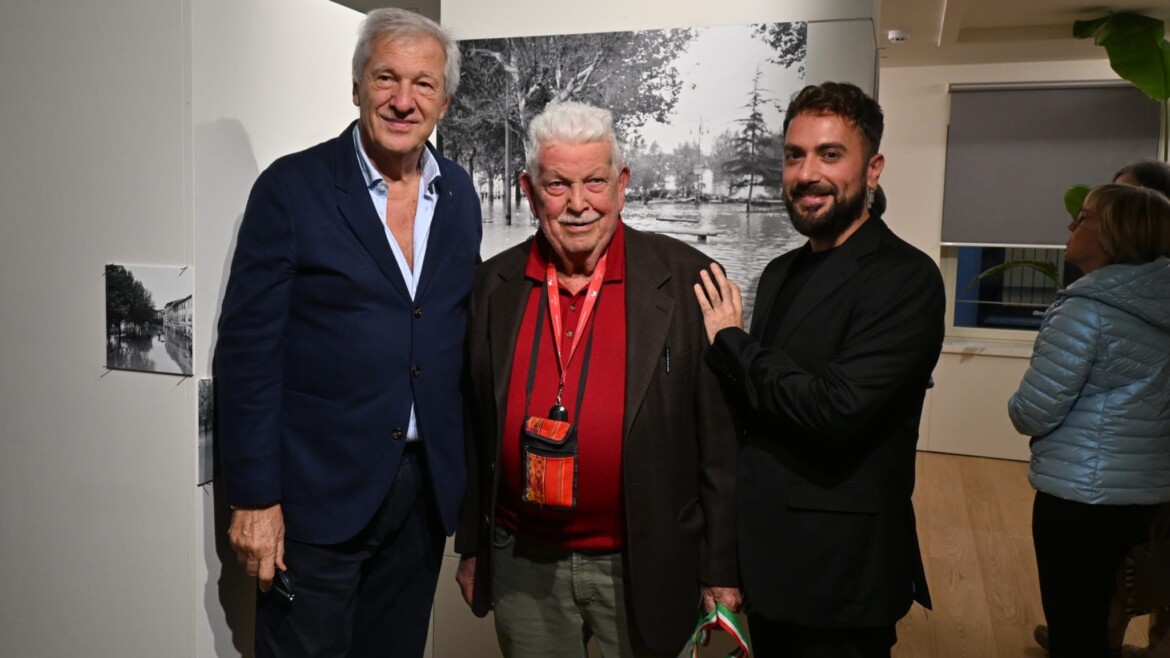
“With the opening of the photography exhibition and the screening of the restored documentary film on Wednesday 4 November 2026 to mark the 60th anniversary of the flood,” said Jaurès Baldeschi, “I must confess that I was moved by the warm and affectionate presence of so many local people who were offering their congratulations and sharing their own dramatic memories. I, too, have looked back on some incredible moments of youthful recklessness in filming certain situations. Many people have asked me where they can watch the film again; I can say that there will be further opportunities, not least because, due to a technical issue, it was not possible to view the film print – which is quite different from the digitally projected version. I would, however, like to remind you that until 18 November, as part of the exhibition at the CAMBIO cultural centre, it is possible to watch the entire documentary film. My thanks go to everyone who chose to share this experience and, in particular, to the Ente and Banca Cambiano, who made this project possible.”
“These initiatives,” notes Paolo Regini, President of Ente Cambiano Spca, “have confirmed just how deeply alive these memories still are within the community and how important it is to create opportunities for them to be shared. The photographs and the documentary did not merely recount what happened sixty years ago: they reawakened memories, elicited testimonies and enabled even those who did not directly experience those days to understand their significance. This is the project’s most significant achievement. As Ente Cambiano, we are particularly pleased to have helped restore a legacy of images and memories to the community. Preserving history also means forging a bond between generations and strengthening the sense of belonging to a local area: a commitment we feel deeply is our own.”